




America’s Rate-Cut Era Goes Into Reverse
Fed Lifts Rates to 3.75% – 4.00%

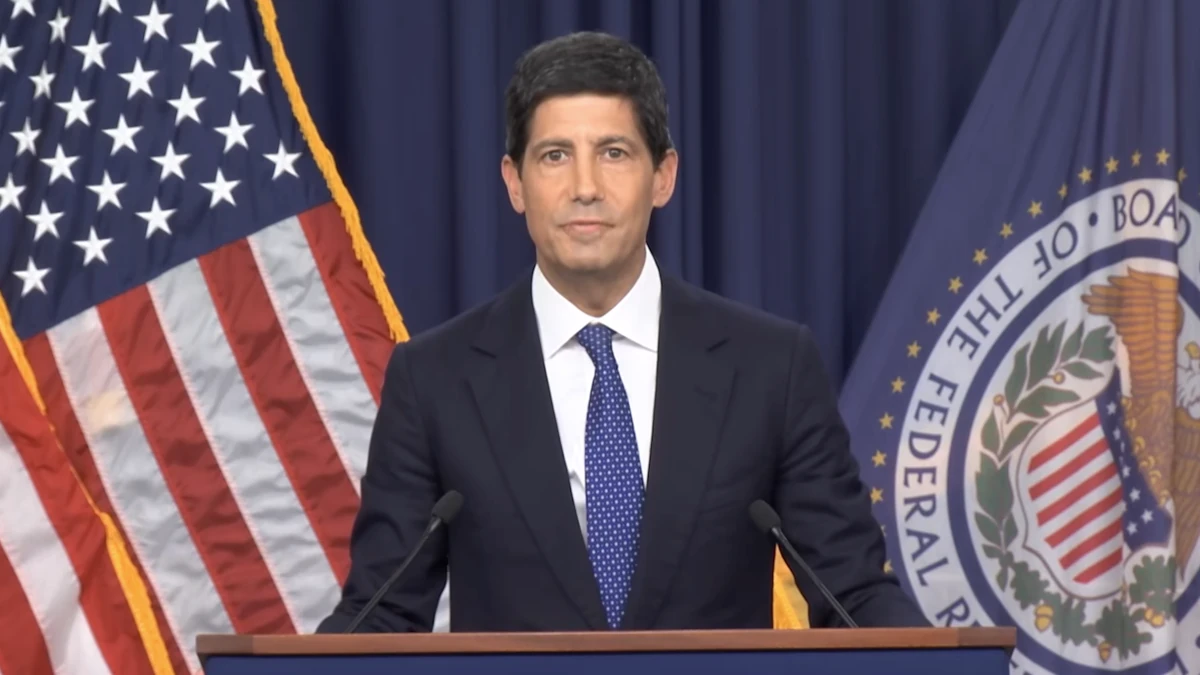
The Federal Reserve has raised its benchmark interest rate for the first time in more than three years, lifting the federal funds target range by a quarter of a percentage point to 3.75% to 4.00%. The Federal Open Market Committee approved the September 16 increase unanimously, saying inflation remained elevated and that the move would support a faster return toward the Fed’s 2% target.
The increase, the first since July 2023, marks a significant change in direction for US monetary policy after several years in which financial markets were largely focused on when interest rates would fall. Fed Chair Kevin Warsh said economic conditions had strengthened, pointing to resilient domestic spending, strong productivity and robust capital investment. The Fed’s official statement similarly described economic activity as expanding at a “solid pace.”
Recent economic data have reinforced that picture. US retail sales jumped 1.2% in August, beating economists’ expectations, while a measure of core retail sales rose 1.4%, its strongest increase since September 2024. At the same time, import prices increased 0.7% during the month and were 7.0% higher than a year earlier, adding to evidence that inflationary pressures have not disappeared.
The median forecast among Fed policymakers puts Personal Consumption Expenditures inflation, the Fed’s preferred measure, at 3.7% for 2026, well above its 2% goal. The median projections show PCE inflation easing to 2.3% in 2027, 2.1% in 2028 and returning to 2% in 2029.
Sixteen of the 18 policymakers who submitted interest-rate projections expect at least one further increase before the end of 2026. The median projection puts the federal funds rate at about 4.1% at year-end, consistent with a target range of 4.00% to 4.25%. That is up from a median projection of about 3.8% in June, highlighting how quickly the outlook for US rates has changed.
Higher rates generally increase borrowing costs for households and businesses. Credit cards and other variable-rate loans can respond relatively quickly to changes in Fed policy, while mortgage rates are influenced more heavily by longer-term bond markets. Freddie Mac’s latest weekly survey, released September 10, put the average US 30-year fixed mortgage rate at 6.76%, keeping borrowing costs high for prospective homebuyers.
Bond and currency markets are also reflecting the shift. The yield on the benchmark 10-year US Treasury reached 5.01% on September 16, while the two-year yield stood at 4.74%. The US dollar also strengthened after the Fed decision, with the dollar index rising 0.3% to its highest level in nearly five weeks as investors adjusted to the prospect of further tightening.
The broader change is increasingly clear: markets that spent much of the past several years debating how quickly the Federal Reserve would cut rates are now confronting the possibility of further increases before the end of 2026.

