





Nigeria has confirmed its first Ebola case in more than a decade, as a deadly outbreak that has killed more than 4,600 people in the Democratic Republic of the Congo continues to spread across international borders.
The outbreak, which began in Congo in May, has infected 9,637 people and claimed 4,646 lives in the country, according to World Health Organization (WHO) figures dated October 19.
Nigerian authorities confirmed the country's first case on October 20 after a woman who had recently travelled through Uganda tested positive for the virus in the capital, Abuja.
The woman began experiencing symptoms on October 7 and sought treatment at a private hospital four days later. Initially treated for malaria-like symptoms, her Ebola infection was not confirmed until October 20. Authorities are still investigating where she contracted the virus.
Health officials have identified 44 people who may have been exposed, including healthcare workers, and are monitoring them for signs of infection. The patient remains in isolation.
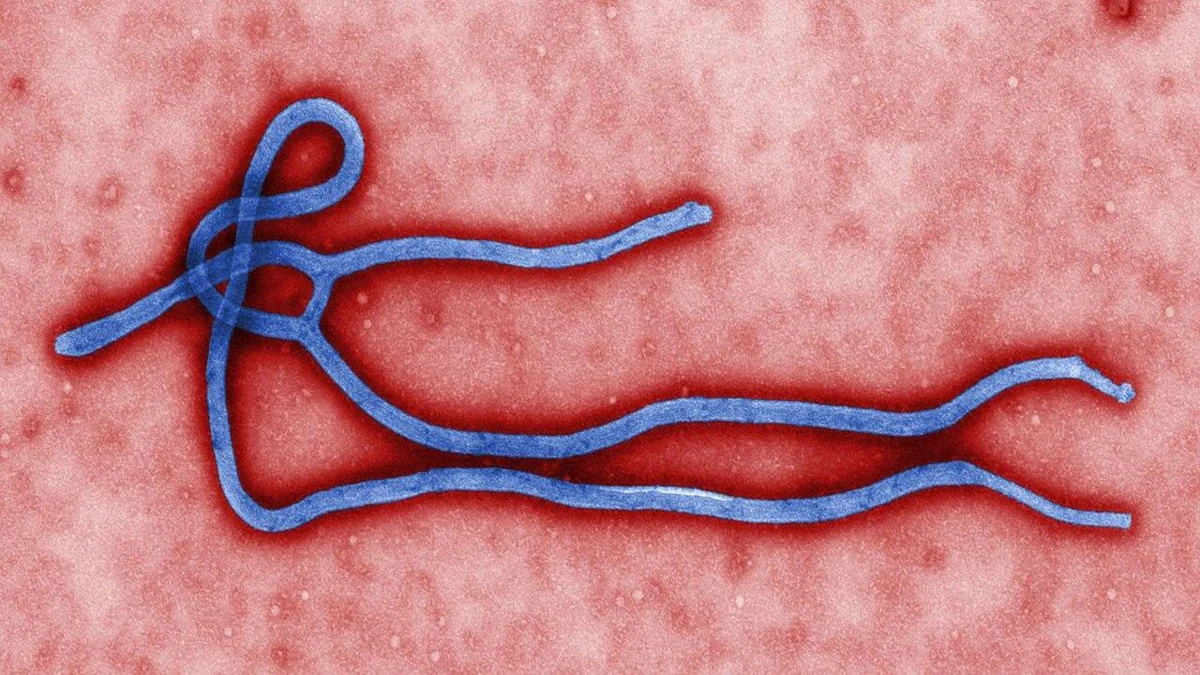
Ebola is caused by a virus that can pass from infected animals to humans before spreading between people through direct contact with infected blood or other bodily fluids. It is not an airborne disease. Early symptoms often resemble malaria or influenza, with fever, headaches and muscle pain, making diagnosis particularly difficult.
As the infection progresses, it can cause severe vomiting, diarrhoea and dehydration, sometimes leading to internal bleeding and organ failure. Early medical intervention can improve survival, but the outbreak involves the rare Bundibugyo strain, for which no approved vaccine or specific antiviral treatment exists. The disease has killed approximately 48% of confirmed patients in Congo.
Nigeria is the fifth country to report infections linked to the outbreak, following Congo, Uganda, Kenya and France. Kenya has recorded nine cases, while Uganda says it currently has no active infections.
Africa Centres for Disease Control and Prevention Director General Jean Kaseya has called for urgent international cooperation, warning that Ebola now affects three regions of Africa. An emergency meeting of African health ministers has been scheduled for October 28.
Although Nigeria has confirmed only one imported case, the delayed diagnosis illustrates a troubling difficulty in containing Ebola: by the time the disease is recognised, healthcare workers and others may already have been exposed.

