





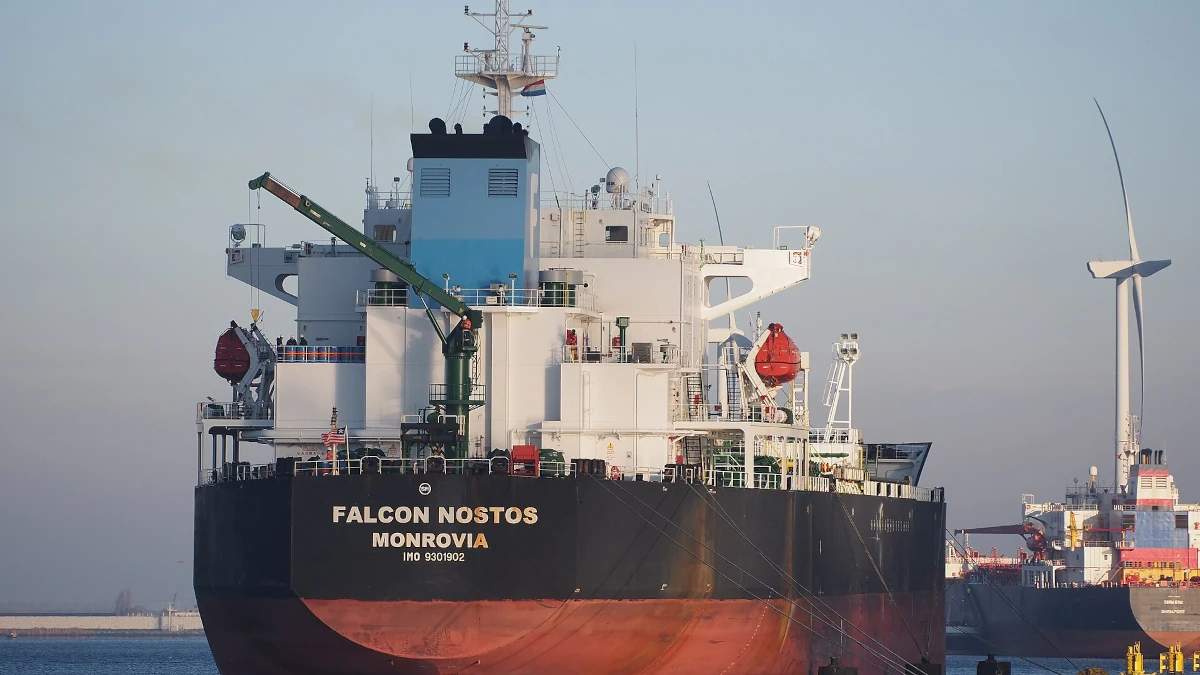
Iran has warned Gulf countries against opening new oil-export routes through the Strait of Hormuz, according to officials close to Tehran. The warning comes as tanker attacks reach their highest weekly level since the war began in February.
Maritime security sources reported at least 12 attacks or threatening encounters involving tankers between September 28 and October 5. The International Maritime Organization, the United Nations' shipping agency, had separately confirmed 10 damaged vessels during that period as of October 8.
A senior regional official close to Tehran told Reuters that Iran would consider attempts to establish new oil-export routes as hostile. A diplomat briefed by Tehran said its plans included possible missile and drone strikes against ships, or sending boats to intimidate vessels.
"Iran has absolutely no intention of allowing control of the Strait of Hormuz to slip from its hands," the senior diplomat told Reuters.
Among the latest vessels struck was the Acers, a chemical tanker registered in Antigua and Barbuda. The ship was hit by multiple projectiles north of Qatar, with maritime security sources reporting minor injuries among its crew.
Shipping traffic has fallen sharply. Maritime tracking firm Kpler recorded just seven commodity vessels crossing the strait on Tuesday, October 6, the lowest daily figure since July 23. The number had climbed to 10 on Wednesday, still well below normal traffic.
Oil prices climbed on Thursday, with Brent crude closing at US$104.28 a barrel, up 4.1%, as shipping attacks and hurricane-related production shutdowns in the US Gulf of Mexico unsettled markets.
Hurricane Isaias, approaching the northern Gulf Coast, has forced oil companies to evacuate offshore platforms and suspend production. By Thursday, approximately 63% of the region's offshore oil output had been shut down.
By early Friday, Brent had fallen to US$102.91 after President Donald Trump said Washington was holding "productive discussions" with Iran and would not launch further strikes before the November 3 US midterm elections.
Despite the diplomatic opening, Washington imposed fresh sanctions on Thursday targeting 17 vessels involved in transporting Iranian oil, while maintaining its naval blockade of Iranian ports.
Iranian Foreign Minister Abbas Araqchi said Tehran was reviewing Washington's response to a proposal that could reopen the strait within seven days, according to Iran's semi-official Tasnim news agency.
No agreement has been announced, and shipping through the strait remains vulnerable to further attacks.

