





US regulators are preparing to expand access to radio frequencies for satellite-to-phone services, as SpaceX, Amazon and mobile operators compete to bring connectivity to remote communities, isolated roads and other areas beyond the reach of traditional cell towers.
The Federal Communications Commission (FCC) announced on October 7 that it would vote on October 29 on whether to advance an auction of 25 megahertz of spectrum. It will also consider separate rules that could make another 482 megahertz available for satellite coverage. The proposals would not immediately deliver new services.
Known as direct-to-device technology, these systems allow compatible smartphones to communicate with satellites in low Earth orbit without a specialised handset or dish. The technology requires suitable radio frequencies and supporting infrastructure, while reliable connections depend on conditions such as a clear view of the sky.
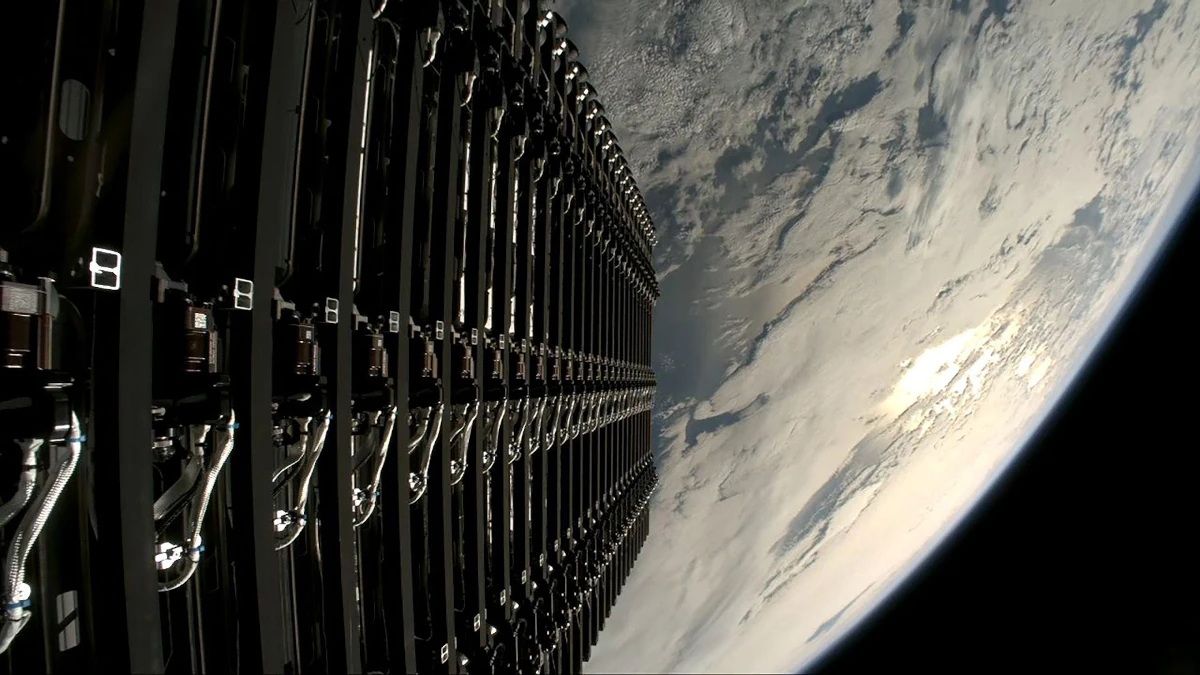
On October 6, the FCC authorised SpaceX to deploy and operate a constellation of up to 15,000 direct-to-device satellites, although some requested operations were deferred and conditions apply. In agreements announced in September and November 2025, SpaceX committed approximately US$19.6 billion to acquire 65 megahertz of spectrum from EchoStar.
Amazon is preparing a competing network. In April 2026, it agreed to acquire satellite operator Globalstar, subject to regulatory approvals. Amazon plans to begin deploying satellites for its own direct-to-device network in 2028.
In New Zealand, satellite-to-mobile services are already operating. One NZ introduced Starlink satellite texting in December 2024 and added selected apps, including WhatsApp voice calling, in February 2026. Spark launched satellite texting and selected app data in April, also using Starlink. Meanwhile, 2degrees is testing a separate system with AST SpaceMobile but has not launched a commercial service.
These services currently supplement rather than replace conventional mobile networks. Customers need compatible phones and eligible plans, while coverage remains limited by operating conditions. One NZ also warns that its satellite service cannot make ordinary 111 emergency calls outside traditional mobile coverage.
The FCC's October 29 vote could help accelerate the expansion of satellite-to-mobile services. But while the technology is already connecting phones beyond traditional networks, reliable and widespread coverage remains a challenge.

